
Menzo Faassen
LPCVirginia · 24 yrs exp
Compassionate, practical therapy for life transitions
Addictions · LGBT · Trauma and abuse · Grief · +10 more
Read profileTherapist listings are provided by BetterHelp. We will earn a commission at no additional cost to you if you use our links to purchase.
Compare profiles of clinicians who list Sleeping Disorders and disaster, crisis and recovery among their focus areas. Browse listed location, professional credentials, therapeutic approaches, and languages to identify profiles that match your needs. Click a profile to read details and reach out with questions about a clinician's approach.
Virginia · 24 yrs exp
Compassionate, practical therapy for life transitions
Addictions · LGBT · Trauma and abuse · Grief · +10 more
Read profile
Minnesota · 29 yrs exp
Experienced psychologist focused on practical coping
Stress, Anxiety · Relationship · Anger · Self esteem · +11 more
Read profile
Louisiana · 7 yrs exp
Compassionate counselor blending insight and practical tools
Stress, Anxiety · Family · Trauma and abuse · Parenting · +15 more
Read profile
Florida · 25 yrs exp
Practical therapy for trauma and relationship pain
Relationship · Trauma and abuse · Grief · Anger · +12 more
Read profile
Texas · 17 yrs exp
Calm, practical counseling focused on daily progress
Stress, Anxiety · Family · Depression · Coping with life changes · +12 more
Read profile
Texas · 21 yrs exp
Compassionate, practical therapy for life changes
Stress, Anxiety · Relationship · Trauma and abuse · Intimacy-related issues · +15 more
Read profile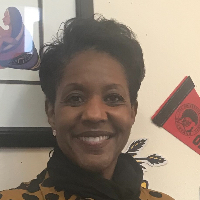
Texas · 8 yrs exp
Practical, future-focused counseling for real life
Stress, Anxiety · Grief · Self esteem · Career · +11 more
Read profile
Louisiana · 10 yrs exp
Compassionate, practical counseling for adult transitions
Stress, Anxiety · Grief · Anger · Depression · +8 more
Read profile
Texas · 22 yrs exp
Compassionate, practical therapy for life changes
Stress, Anxiety · Relationship · Trauma and abuse · Depression · +16 more
Read profile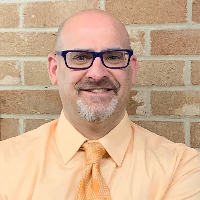
New York · 22 yrs exp
Practical, goal-focused therapy for life changes
Stress, Anxiety · Relationship · Family · Parenting · +10 more
Read profile
New Jersey · 8 yrs exp
Calm, practical therapy for life’s disruptions
Stress, Anxiety · Relationship · Trauma and abuse · Bipolar · +14 more
Read profile
Nebraska · 14 yrs exp
Compassionate, practical support for life transitions
Stress, Anxiety · Grief · Bipolar · Depression · +13 more
Read profile
Texas · 20 yrs exp
Compassionate counselor with practical tools
Stress, Anxiety · Trauma and abuse · Self esteem · Depression · +12 more
Read profile
Pennsylvania · 6 yrs exp
Accessible counselor focused on practical change
Stress, Anxiety · LGBT · Relationship · Self esteem · +15 more
Read profile
Utah · 20 yrs exp
Calm, practical therapy for life changes
Stress, Anxiety · Relationship · Grief · Depression · +12 more
Read profile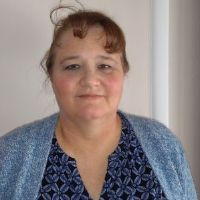
Nebraska · 25 yrs exp
Calm, practical therapy for life changes
Stress, Anxiety · Family · Trauma and abuse · Parenting · +12 more
Read profile
Utah · 25 yrs exp
Compassionate, practical therapy for everyday life
Stress, Anxiety · Family · Trauma and abuse · Anger · +15 more
Read profile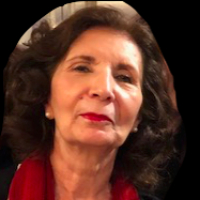
Ohio · 20 yrs exp
Compassionate counselor focused on real-life change
Stress, Anxiety · Addictions · Relationship · Family · +15 more
Read profile
New Jersey · 35 yrs exp
Calm guidance for practical life struggles
Stress, Anxiety · Grief · Parenting · Self esteem · +13 more
Read profile
Oregon · 15 yrs exp
Compassionate counselor for real-life challenges
Stress, Anxiety · Addictions · Relationship · Trauma and abuse · +12 more
Read profile
Alabama · 14 yrs exp
Compassionate counselor focused on practical change
Stress, Anxiety · Relationship · Self esteem · Depression · +13 more
Read profile
Arkansas · 44 yrs exp
Experienced social worker focusing on practical change
Stress, Anxiety · Trauma and abuse · Grief · Self esteem · +16 more
Read profile
Idaho · 9 yrs exp
Practical, compassionate therapy for life's disruptions
Stress, Anxiety · Trauma and abuse · Anger · Depression · +13 more
Read profile
Michigan · 31 yrs exp
Calm, practical support for life’s big stressors
Stress, Anxiety · Family · Trauma and abuse · Self esteem · +16 more
Read profileWhen you or someone close has been through a flood, fire, storm, accident, violence or other disaster, sleep often becomes one of the first things to change. Shock and heightened alertness can make it hard to fall asleep or stay asleep, while intrusive memories and fear can produce vivid nightmares. Loss and grief may shift your daily routine and remove the anchors that used to cue rest. You may find your sleep fragmented by replaying events, worrying about safety, or juggling new responsibilities linked to recovery. These disruptions can deepen exhaustion and make it harder to cope with day-to-day demands, creating a cycle where poor sleep worsens stress and stress worsens sleep.
Recognizing the role of sleep in your overall well-being is a practical first step. You do not need to accept sleeplessness as part of recovery. There are approaches that address patterns of insomnia, nightmares and sleep avoidance, and there are clinicians who describe experience with people affected by disasters. Reading profiles can help you identify practitioners who mention relevant focus areas like trauma-related sleep problems, anxiety, grief or rebuilding routine. Keep in mind that a listed focus is a signal to explore a clinician's experience rather than a guarantee of a particular outcome.
Sleep problems and disaster-related distress often occur together, but one does not automatically prove the other. Some people experience immediate sleep disruption after a crisis and then return to their prior patterns as routines are restored. For others, sleep difficulties persist and become a separate concern that requires focused attention. In profiles within this directory you will see clinicians who list both Sleeping Disorders and coping with natural or human-caused disaster among their focus areas. That listing indicates an interest or experience area, not a certification or diagnostic service. It is helpful to approach any profile with curiosity about how the clinician describes their work with sleep and with disaster-related concerns.
Understanding the connection in your own situation means looking at timing, triggers, and daily patterns. You might notice that sleep worsens on anniversaries, with weather warnings, or when paperwork and recovery logistics pile up. Or you might be experiencing sleep problems that began before an event and are now intensified. When you review profiles, look for language that reflects the kinds of sleep issues you are facing - for example, difficulty falling asleep, waking frequently, nightmares, or early morning waking. These clues can guide which questions to ask a clinician about their approach to addressing similar patterns.
When you contact someone whose profile interests you, prepare concrete questions that help you compare how they might work with sleep-related concerns. Ask how they typically assess sleep problems that occur alongside trauma, grief or ongoing stress from recovery. You can ask whether they work with adults, young people or families, and whether the listing indicates experience with people affected by floods, fires or other incidents like the one you faced. If a profile mentions specific approaches, remember that the directory records those approaches as listed by the clinician - a useful prompt for asking how they use those approaches in practice. For example, you might say "I see you list CBT for insomnia among your approaches - can you describe how you apply that with someone whose sleep was disrupted after a disaster?"
Ask about professional qualifications in terms that distinguish academic degrees from permission to practice. Degrees such as PhD, PsyD, MD, MA or MSW indicate academic training, while licences, registrations or professional memberships indicate current permission to practise in a region. In the United States clinicians commonly hold state licences, while in the United Kingdom and Australia registration or association membership often appears in profiles. You can ask a clinician to explain what their credentials mean in their listed location. Also enquire about languages spoken, cultural experience that matters to you, and the populations they list as part of their focus - these details shape how a clinician may relate to your situation.
If you plan to contact a clinician for online or remote sessions, there are practical and safety-oriented topics to cover before you begin. First, remember that online talk therapy is not emergency relief, evacuation, insurance, legal or medical help. If you or someone else is in immediate danger, contact local emergency services right away. In a non-urgent context, ask the clinician how they handle crises or urgent concerns when working remotely, including what procedures they recommend if you are in a different listed location or country. Clarify where they are licensed or registered to practice and whether that affects what they can offer to people living in another jurisdiction.
Talk about communication logistics - how sessions will be arranged, what platform or technology is used, and how you will reach them between sessions if needed. Clarify expectations around session length, cancellation or rescheduling practices, and whether there are ways to coordinate with other professionals involved in your care such as primary doctors or local mental health services. If you take medications for sleep or anxiety, discuss how they prefer to coordinate medication questions with prescribers. Finally, if you are seeking help for a child or a couple, confirm that the clinician lists that population among their focus areas because a listed topic does not automatically mean they treat children, couples, or families.
Comparing profiles is most useful when you look for concrete signals about fit rather than relying on single phrases. Read the descriptive text to understand the clinician's emphasis on sleep-related problems, trauma, grief or recovery from disaster. Consider whether they mention working with people affected by specific incidents similar to yours and how they describe their therapeutic style - for example, whether they highlight practical skills, narrative work, emotion-focused exploration, or a combination. If a profile lists certain approaches, such as relaxation-based strategies, behavioral sleep work, or trauma-informed methods, use those listings as a starting point for questions rather than a checklist of guaranteed techniques. You might ask a clinician how they decide which strategies to use with a particular person.
Look at the languages spoken and cultural references in profiles to assess whether communication and cultural understanding will be a good match. Review academic degrees separately from licences or registrations so you understand both training and permission to practise in a given country or state. Pay attention to listed location as a reference point for time zones and any in-person options that might be offered near you. Finally, consider the overall tone of the profile - whether it feels collaborative, structured, exploratory or skills-focused - and imagine how that style aligns with your preferences for addressing sleep problems during recovery. When you find profiles that feel like a potential fit, reach out to ask the specific, practical questions outlined above before making any decisions about care.
Use this directory to gather information and to connect with clinicians who list Sleeping Disorders and disaster, crisis and recovery among their focus areas. If you are in immediate danger or need urgent help, contact local emergency services without delay. Profiles are a starting point for conversation, and reaching out with clear questions will help you find the right match for the sleep and recovery concerns you are facing.
Alabama
56 therapists
Alaska
7 therapists
Arizona
47 therapists
Arkansas
29 therapists
Australia
87 therapists
California
214 therapists
Colorado
85 therapists
Connecticut
20 therapists
Delaware
6 therapists
District of Columbia
11 therapists
Florida
332 therapists
Georgia
87 therapists
Hawaii
7 therapists
Idaho
15 therapists
Illinois
105 therapists
Indiana
50 therapists
Iowa
19 therapists
Kansas
18 therapists
Kentucky
59 therapists
Louisiana
97 therapists
Maine
14 therapists
Maryland
45 therapists
Massachusetts
33 therapists
Michigan
102 therapists
Minnesota
31 therapists
Mississippi
43 therapists
Missouri
104 therapists
Montana
23 therapists
Nebraska
18 therapists
Nevada
15 therapists
New Hampshire
9 therapists
New Jersey
72 therapists
New Mexico
20 therapists
New York
151 therapists
North Carolina
136 therapists
North Dakota
2 therapists
Ohio
68 therapists
Oklahoma
71 therapists
Oregon
28 therapists
Pennsylvania
92 therapists
Rhode Island
6 therapists
South Carolina
48 therapists
South Dakota
13 therapists
Tennessee
53 therapists
Texas
372 therapists
United Kingdom
666 therapists
Utah
30 therapists
Vermont
6 therapists
Virginia
61 therapists
Washington
41 therapists
West Virginia
10 therapists
Wisconsin
57 therapists
Wyoming
9 therapists