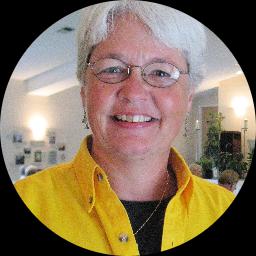
Dr. Rebecca McDonough
LMHCFlorida · 32 yrs exp
Experienced counselor focused on life transitions
LGBT · Grief · Self esteem · Coping with life changes · +1 more
Read profileTherapist listings are provided by BetterHelp. We will earn a commission at no additional cost to you if you use our links to purchase.
Compare profiles listed for the Florida location to review each clinician's focus areas, credentials, languages and approaches related to disaster, crisis and recovery. Browse profiles and check individual listings to confirm whether a professional can work with you where you live.
Florida · 32 yrs exp
Experienced counselor focused on life transitions
LGBT · Grief · Self esteem · Coping with life changes · +1 more
Read profile
Florida · 23 yrs exp
Compassionate support for relationship and identity concerns
LGBT · Intimacy-related issues
Read profile
Florida · 25 yrs exp
Practical therapy for trauma and relationship pain
Relationship · Trauma and abuse · Grief · Anger · +12 more
Read profile
Florida · 12 yrs exp
Compassionate, goal-focused counseling
Stress, Anxiety · Parenting · Self esteem · Depression · +11 more
Read profile
Florida · 20 yrs exp
Calm, practical guidance for life changes
Stress, Anxiety · Grief · Self esteem · Depression · +9 more
Read profile
Florida · 29 yrs exp
Practical therapy for stress and life changes
Stress, Anxiety · Trauma and abuse · Grief · Career · +7 more
Read profile
Florida · 20 yrs exp
Restoring balance after long-term stress
Stress, Anxiety · Relationship · Grief · Self esteem · +1 more
Read profile
Florida · 32 yrs exp
Experienced LCSW focused on practical coping
Stress, Anxiety · Trauma and abuse · Grief · Depression · +14 more
Read profile
Florida · 19 yrs exp
Practical, respectful support for life changes
Stress, Anxiety · Trauma and abuse · Grief · Depression · +9 more
Read profile
Florida · 3 yrs exp
Compassionate LCSW for practical coping strategies
Stress, Anxiety · Relationship · Trauma and abuse · Parenting · +11 more
Read profile
Florida · 13 yrs exp
Compassionate support for stress and trauma
Stress, Anxiety · Relationship · Trauma and abuse · Self esteem · +4 more
Read profile
Florida · 20 yrs exp
Compassionate counselor focused on practical coping
Stress, Anxiety · Addictions · Relationship · Intimacy-related issues · +14 more
Read profile
Florida · 9 yrs exp
Practical therapy for major life stresses
Stress, Anxiety · Relationship · Trauma and abuse · Bipolar · +11 more
Read profile
Florida · 40 yrs exp
Calm, experienced LCSW offering practical support
Stress, Anxiety · Relationship · Family · Trauma and abuse · +8 more
Read profile
Florida · 22 yrs exp
Compassionate, direct support for deep healing
Stress, Anxiety · Relationship · Family · Trauma and abuse · +10 more
Read profile
Florida · 15 yrs exp
Culturally informed clinical social worker
Stress, Anxiety · Relationship · Family · Trauma and abuse · +8 more
Read profile
Florida · 13 yrs exp
Calm, practical support for life changes
Stress, Anxiety · Grief · Parenting · Self esteem · +9 more
Read profile
Florida · 3 yrs exp
Practical support for stress and trauma recovery
Stress, Anxiety · Addictions · Trauma and abuse · Self esteem · +8 more
Read profile
Florida · 7 yrs exp
Calm support for practical change
Addictions · Relationship · Self esteem · Career · +9 more
Read profile
Florida · 11 yrs exp
Warm, practical care for life’s tough moments
Stress, Anxiety · Relationship · Family · Trauma and abuse · +4 more
Read profile
Florida · 12 yrs exp
Bilingual integrative counselor focused on practical coping
Stress, Anxiety · Relationship · Parenting · Self esteem · +5 more
Read profile
Florida · 30 yrs exp
Compassionate counselor with decades of experience
Stress, Anxiety · LGBT · Trauma and abuse · Grief · +12 more
Read profile
Florida · 8 yrs exp
Calm, practical therapy for life’s hard moments
Stress, Anxiety · Trauma and abuse · Anger · Depression · +6 more
Read profile
Florida · 6 yrs exp
Practical, compassionate support for life transitions
Stress, Anxiety · Trauma and abuse · Grief · Self esteem · +12 more
Read profileBeing affected by a flood, fire, storm, accident, act of violence or another disruptive event can leave you experiencing shock, trouble sleeping, heightened fear, grief for what was lost and difficulty re-establishing daily routine. You might notice persistent intrusive memories, trouble concentrating, heightened startle responses or a sense that things will never feel normal again. If you are supporting someone close to you - a child, partner, parent or friend - those same reactions can appear indirectly, through worry, exhaustion and the strain of caregiving.
When you look at profiles, consider noting the immediate concerns you want to discuss so you can describe them concisely. Practical topics to mention include sleep disruption, nightmares, feelings of safety and managing reminders such as smells, sounds or media coverage. You can also raise questions about rebuilding routine - returning to work, school, or household tasks - because restoring small daily habits is often an important part of feeling more anchored. If you are in immediate danger or need urgent help with evacuation, medical attention, shelter, insurance or legal issues, contact local emergency services first. Online talk care is not a substitute for emergency relief or professional medical, legal or insurance assistance.
Profiles grouped under the Florida listed location indicate that a clinician has recorded Florida as a place linked to their profile. This does not by itself verify an active license, an office address or automatic eligibility to work with you. You should check an individual profile for the explicit statement about where that clinician is permitted to practice and confirm directly whether they can work with you where you live. For professionals based outside the United States, such as those in the UK or Australia, you will often see references to registration, membership or professional association rather than a US-style license. In the United States, you may see licensure abbreviations that relate to state-based permission to practice.
Academic degrees such as PhD, PsyD, MD, MA or MSW describe the clinician's educational background. A degree is different from a professional license or registration and does not alone establish current permission to provide care in a given jurisdiction. Profiles may display both degrees and licenses; use the profile language to distinguish degree letters from license or registration details and ask the clinician to clarify any regulatory or jurisdictional questions. If you need a therapist who can legally provide remote care to someone living in Florida, ask about their authorization to work across state or national lines before starting sessions.
As you review profiles, prepare specific questions that make it easy to compare how clinicians work. Ask whether they have experience with situations similar to yours, for example working with survivors of flooding, wildfire, or community violence, and with the age groups you are concerned about. You can also ask how they frame the early weeks of support - do they focus on stabilizing sleep and daily routine first, or on processing the event right away - so you understand immediate priorities. When profiles list particular approaches, remember that listing an approach is not the same as a verified certification. It is appropriate to ask what using that approach actually looks like in a session and to request an explanation of how it might address your current symptoms or challenges.
Concrete questions include: Can you describe how you typically support someone experiencing panic after a disaster? How would you approach sleep disturbance and nightmares? Do you work with people who are rebuilding homes or recovering from property loss and, if so, what practical topics do you include in early sessions? If a profile mentions modalities such as cognitive-behavioral techniques, narrative work, somatic approaches or therapists who list EMDR among their approaches, ask the clinician how they adapt those options to short-term crisis needs and to longer recovery planning. Also clarify whether they work with individuals, children, couples or families, since a listed topic does not guarantee a clinician treats every population.
If you are considering online talk care from someone listed for Florida, take time to confirm a few essentials before your first session. Verify that the clinician is authorized to provide care to residents of Florida and ask how they handle emergency situations that may arise during a remote session. It is reasonable to ask where they will refer you for immediate, on-the-ground services if you need local resources such as shelters, medical care or legal guidance. Discuss how the clinician manages boundaries around communication between sessions and what the expected response time is for non-urgent messages.
Talk about practical considerations like the technology you will use, what platform features may be required for video and how to handle interruptions. If you have concerns about privacy in your home or need a private space, identify strategies for maintaining discretion during sessions. Make sure you and the clinician agree on documentation practices, including whether and how notes are kept and how they may communicate with other professionals you authorize, such as primary care providers or case managers. Finally, if language access is important to you, confirm which languages are offered and whether interpretive arrangements are used when profiles list additional languages.
When comparing profiles for the Florida location, look beyond single phrases and consider a combination of focus areas, listed approaches, languages and stated experience to find a closer match to your needs. Focus areas identify what a clinician highlights as topics they work with; approaches indicate methods they may use or describe; languages tell you what communication options exist. Compare profiles by asking which focus areas align with your present priorities - immediate stabilization, grief and loss, rebuilding daily life, or dealing with trauma reminders - and look for language that shows how the clinician frames those priorities in practice.
Style and fit are as important as credentials. Some clinicians emphasize short-term coping skills and practical problem solving, while others describe a slower paced exploration of meaning and identity after loss. Read profile language for clues about session tone, pacing and the kinds of collaborative tasks you might be asked to do between appointments. Prepare concrete comparison questions such as: What would a typical first three sessions focus on? How do you help people rebuild a daily routine after disruption? What languages do you offer, and how do you work with interpreters if needed? Always confirm scope of practice directly - whether the clinician treats children or families, whether they can provide services across state lines for Florida residents, and how they coordinate with other professionals in your recovery process. Taking these steps will help you use the listed location and profiles to make an informed starting point for a conversation about care without assuming outcomes or certifications.
Addictions
2008 therapists
Anger
2421 therapists
Chronic Illness
1527 therapists
Chronic Pain
1527 therapists
Coping After Disaster
3796 therapists
Depression
3371 therapists
Disability
1527 therapists
Dissociation
1211 therapists
Domestic Violence
1958 therapists
Grief
2931 therapists
Guilt and Shame
3177 therapists
Isolation / Loneliness
3067 therapists
Mood Disorders
2491 therapists
Panic Disorder and Panic Attacks
2488 therapists
Post-Traumatic Stress
2945 therapists
Self Esteem
3234 therapists
Sleeping Disorders
1214 therapists
Stress & Anxiety
3625 therapists
Trauma and Abuse
3149 therapists
Traumatic Brain Injury
515 therapists
Aging and Geriatric Issues
1860 therapists
Career
2261 therapists
Caregiver Issues and Stress
2696 therapists
Communication Problems
3256 therapists
Compassion Fatigue
2083 therapists
Coping with Life Changes
3132 therapists
Family
2691 therapists
First Responder Issues
1702 therapists
Hospice and End-of-Life Counseling
1348 therapists
Life Purpose
3165 therapists
Money and Financial Issues
1613 therapists
Parenting
2313 therapists
Relationship
3042 therapists
Workplace Issues
2774 therapists