
Menzo Faassen
LPCVirginia · 24 yrs exp
Compassionate, practical therapy for life transitions
Addictions · LGBT · Trauma and abuse · Grief · +10 more
Read profileTherapist listings are provided by BetterHelp. We will earn a commission at no additional cost to you if you use our links to purchase.
On this page you can compare profiles of therapists who list coping with disaster, crisis and recovery in Virginia, including focus areas, approaches, credentials and languages. Browse the profiles below and check each therapist's listed location and permission to work where you live before contacting them.
Virginia · 24 yrs exp
Compassionate, practical therapy for life transitions
Addictions · LGBT · Trauma and abuse · Grief · +10 more
Read profile
Virginia · 4 yrs exp
Calm, practical therapy for life changes
Stress, Anxiety · Grief · Anger · Self esteem · +10 more
Read profile
Virginia · 35 yrs exp
Experienced LCSW focused on practical coping
Stress, Anxiety · Eating · Self esteem · Depression · +13 more
Read profile
Virginia · 9 yrs exp
Resilient, practical counseling for life’s challenges
Stress, Anxiety · Addictions · LGBT · Self esteem · +14 more
Read profile
Virginia · 12 yrs exp
Focused, practical therapy for life changes
Stress, Anxiety · Relationship · Grief · Depression · +1 more
Read profile
Virginia · 14 yrs exp
Practical support for trauma and anxiety recovery
Stress, Anxiety · Trauma and abuse · Self esteem
Read profile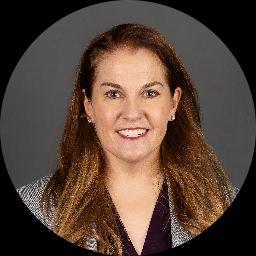
Virginia · 30 yrs exp
Calm, practical support for adults
Stress, Anxiety · Relationship · Anger · Self esteem · +1 more
Read profile
Virginia · 4 yrs exp
Practical, steady support for stress and trauma
Stress, Anxiety · Trauma and abuse · Parenting · Depression · +1 more
Read profile
Virginia · 12 yrs exp
Practical, down-to-earth counseling for life challenges
Stress, Anxiety · Relationship · Anger · Self esteem · +16 more
Read profile
Virginia · 16 yrs exp
Experienced LCSW focused on practical coping tools
Stress, Anxiety · Grief · Self esteem · Depression · +12 more
Read profile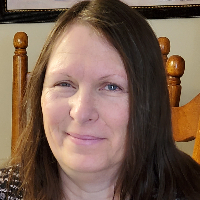
Virginia · 19 yrs exp
Practical, person-centered counseling in Virginia
Stress, Anxiety · Grief · Self esteem · Depression · +11 more
Read profile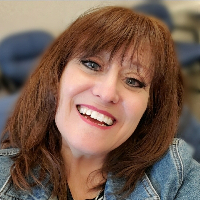
Virginia · 5 yrs exp
Practical support for stress, trauma, and life changes
Stress, Anxiety · Trauma and abuse · Grief · Self esteem · +8 more
Read profile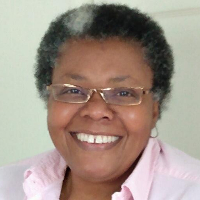
Virginia · 9 yrs exp
Calm, practical therapy for life’s hard moments
Stress, Anxiety · LGBT · Self esteem · Bipolar · +11 more
Read profile
Virginia · 47 yrs exp
Experienced LCSW focused on practical change
Stress, Anxiety · Relationship · Grief · Self esteem · +10 more
Read profile
Virginia · 19 yrs exp
Practical, faith-informed counseling for life challenges
Stress, Anxiety · Grief · Anger · Self esteem · +9 more
Read profile
Virginia · 20 yrs exp
Practical support for stress and life changes
Stress, Anxiety · Addictions · Relationship · Family · +9 more
Read profile
Virginia · 3 yrs exp
Practical support for stress and major life change
Stress, Anxiety · Relationship · Self esteem · Depression · +10 more
Read profile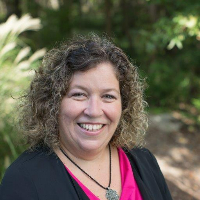
Virginia · 30 yrs exp
Experienced LCSW guiding practical change
Stress, Anxiety · Trauma and abuse · Grief · Coping with life changes · +9 more
Read profile
Virginia · 24 yrs exp
Helping people move past stuck patterns
Stress, Anxiety · Trauma and abuse · Grief · Self esteem · +9 more
Read profile
Virginia · 25 yrs exp
Calm, experienced guide through life’s crises
Stress, Anxiety · Family · Trauma and abuse · Grief · +12 more
Read profile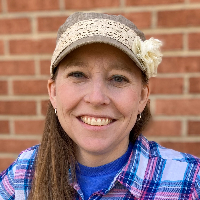
Virginia · 15 yrs exp
Practical, collaborative counseling for life change
Stress, Anxiety · Trauma and abuse · Grief · Career · +6 more
Read profile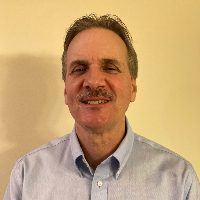
Virginia · 40 yrs exp
Seasoned LCSW focused on practical coping strategies
Stress, Anxiety · Addictions · Trauma and abuse · Grief · +16 more
Read profile
Virginia · 34 yrs exp
Experienced counselor and family therapist
Stress, Anxiety · Addictions · Relationship · Family · +6 more
Read profile
Virginia · 15 yrs exp
Experienced counselor for life changes
Relationship · Family · Trauma and abuse · Grief · +15 more
Read profileWhen you or someone close to you has been through a disaster - whether a flood, fire, severe storm, accident or an act of violence - you may notice a range of reactions that make day-to-day life feel sharper or slower than before. Shock and numbness can alternate with intrusive memories or persistent worry. Sleep may become fragmented or difficult to fall into, and that loss of restorative rest can make concentration, patience and appetite harder to manage. You may grieve the loss of belongings, routines or a sense of safety, or find yourself repeatedly checking for hazards. Everyday tasks that once felt automatic may need rebuilding into a new routine.
Those effects can show up differently depending on whether you were directly exposed, witnessed events, or are supporting someone who was affected. First responders and people who help with clean up or local relief can have distinct stressors tied to repeated exposure and responsibility for others. Recovery often involves practical rebuilding alongside emotional adjustments - arranging housing, dealing with insurance or claims, and reestablishing schedules. If you are feeling overwhelmed, frightened, unable to sleep, or unusually reactive, it is appropriate to look for professional support. If you are in immediate danger or need urgent medical or safety assistance, contact emergency services right away; online talk therapy is not a substitute for evacuation support, emergency relief, insurance, legal or medical help.
Profiles on this directory are grouped by listed location of Virginia so you can find professionals associated with that area, but a listed location is not by itself proof of an office address, proximity, or permission to practise in a particular place. You should check an individual profile carefully and confirm directly that a therapist is permitted to work with you where you live. In the United States, permission to practise is typically regulated at the state level through licensing boards. In the United Kingdom and Australia, professionals may hold registration or membership with national or regional bodies; those terms can mean different things than US licensing. Academic degrees such as PhD, PsyD, MD, MA or MSW describe completed training and education, but a degree alone does not establish current permission to practise.
When you look at a profile, notice whether credentials and professional memberships are described and whether the profile states the jurisdictions where the therapist is authorised to work. If a profile lists approaches or focus areas, remember that this is what the therapist reports offering, and it is not evidence of a particular certification or outcome. Asking direct questions about where someone is authorised to provide care and what their professional memberships mean in practice will help you understand whether they are a good fit for your needs.
It helps to go into initial conversations with clear questions about how a therapist works and whether their experience aligns with the kinds of challenges you or a loved one are facing. You might ask, Which types of disasters and post-event issues have you supported most often, and how do you describe that experience? How do you typically help people who are struggling with sleep disruption, flashbacks or persistent worry after an evacuation or injury? If you have responsibilities for children or dependents, ask whether they have worked with parents or caregivers in that context and what that work looked like. If you see terms like trauma-focused therapy, cognitive behavioural approaches or body-centered methods on a profile, you can ask how those approaches are used in practical terms and what a typical early session would focus on.
Some therapists list particular modalities, and you may see phrases such as therapists who list EMDR among their approaches. That wording indicates what the therapist reports using but does not prove any specific certification. A helpful question is, How do you decide which approach to use with a client, and how will we know if it is helping? You can also ask about how long they have been supporting people after disasters, whether they have experience working with first responders or with people who are navigating insurance and housing issues, and how they work with cultural, religious or language needs. Direct, concrete questions will give you a clearer sense of style and experience than generic terms alone.
If you are considering remote or online sessions, there are practical topics to cover before you begin. Start by asking whether the therapist is authorised to provide care to people in your state or country, and what that means for your situation. Discuss how the therapist handles privacy and record-keeping so you understand what information is kept and how it is stored. Talk about emergency planning - who to contact locally if you or someone with you needs urgent help - because online talk care cannot arrange evacuation, on-site medical treatment or emergency relief. You can ask, If I become seriously distressed between sessions, what steps do you recommend and who should I call locally?
Also clarify the technical and practical arrangements: how sessions will be scheduled and how cancellations are handled, what communication channels the therapist uses for messaging, and whether there are expected boundaries around times when you can contact them. If language matters to you, confirm which languages are spoken in sessions. If you are looking for sessions that involve family members or children, check whether the therapist lists experience with those populations, because a listing for disaster work does not automatically mean they work with every age group or with couples and families. These conversations are about aligning expectations and ensuring you feel comfortable with the practical side of care.
When you compare profiles on this page, focus on concrete details that matter to your situation. Look for profiles that explicitly list coping with natural or human-caused disaster, and read the description to see which kinds of events and consequences the therapist highlights. Pay attention to whether languages you speak are listed, because being able to talk in your preferred language can affect how you process trauma and rebuild routines. Note the academic degrees and whether the profile mentions professional memberships or registrations; degrees like PhD, PsyD, MD, MA and MSW provide information about training, while membership or registration speak to professional standards in different countries.
Style and approach are also important. Some profiles describe a structured, skills-based approach that focuses on sleep and routine rebuilding, while others emphasize supportive processing or working with bodily sensations and stress responses. Ask yourself which style feels more likely to fit your needs and then reach out to the profiles that match those criteria to ask specific questions about their work with disaster-related concerns. Remember that a listed topic is not proof of specialist certification, that profiles do not guarantee an office location or local licence, and that you should confirm permission to work together where you live. Taking time to compare approaches, credentials and languages will help you find a professional profile that aligns with the practical and emotional support you are seeking in Virginia.
Addictions
2008 therapists
Anger
2421 therapists
Chronic Illness
1527 therapists
Chronic Pain
1527 therapists
Coping After Disaster
3796 therapists
Depression
3371 therapists
Disability
1527 therapists
Dissociation
1211 therapists
Domestic Violence
1958 therapists
Grief
2931 therapists
Guilt and Shame
3177 therapists
Isolation / Loneliness
3067 therapists
Mood Disorders
2491 therapists
Panic Disorder and Panic Attacks
2488 therapists
Post-Traumatic Stress
2945 therapists
Self Esteem
3234 therapists
Sleeping Disorders
1214 therapists
Stress & Anxiety
3625 therapists
Trauma and Abuse
3149 therapists
Traumatic Brain Injury
515 therapists
Aging and Geriatric Issues
1860 therapists
Career
2261 therapists
Caregiver Issues and Stress
2696 therapists
Communication Problems
3256 therapists
Compassion Fatigue
2083 therapists
Coping with Life Changes
3132 therapists
Family
2691 therapists
First Responder Issues
1702 therapists
Hospice and End-of-Life Counseling
1348 therapists
Life Purpose
3165 therapists
Money and Financial Issues
1613 therapists
Parenting
2313 therapists
Relationship
3042 therapists
Workplace Issues
2774 therapists