
Velma Jones
LCSWNew York · 29 yrs exp
Experienced LCSW offering steady support
Stress, Anxiety · Relationship · Trauma and abuse · Depression · +10 more
Read profileTherapist listings are provided by BetterHelp. We will earn a commission at no additional cost to you if you use our links to purchase.
Explore profiles of clinicians who list Aging and Geriatric Issues among their focus areas and who also note work with disaster, crisis and recovery. Compare listed location, approaches, languages and credentials to find profiles you want to review.
New York · 29 yrs exp
Experienced LCSW offering steady support
Stress, Anxiety · Relationship · Trauma and abuse · Depression · +10 more
Read profile
Michigan · 25 yrs exp
Change-focused counselor with nursing insight
Stress, Anxiety · LGBT · Relationship · Grief · +10 more
Read profile
Florida · 23 yrs exp
Compassionate support for relationship and identity concerns
LGBT · Intimacy-related issues
Read profile
Massachusetts · 23 yrs exp
Calm, practical support for life’s hard changes
Addictions · LGBT · Relationship · Intimacy-related issues · +12 more
Read profile
Louisiana · 7 yrs exp
Compassionate counselor blending insight and practical tools
Stress, Anxiety · Family · Trauma and abuse · Parenting · +15 more
Read profile
Florida · 12 yrs exp
Compassionate, goal-focused counseling
Stress, Anxiety · Parenting · Self esteem · Depression · +11 more
Read profile
Texas · 17 yrs exp
Calm, practical counseling focused on daily progress
Stress, Anxiety · Family · Depression · Coping with life changes · +12 more
Read profile
Texas · 9 yrs exp
Practical, compassionate support for life changes
Stress, Anxiety · Trauma and abuse · Grief · Depression · +12 more
Read profile
Texas · 10 yrs exp
Practical, steady counseling for life’s hard moments
Stress, Anxiety · Relationship · Family · Depression · +14 more
Read profile
Ohio · 33 yrs exp
Seasoned counselor focused on practical relief
Stress, Anxiety · Family · Trauma and abuse · Self esteem · +12 more
Read profile
Illinois · 10 yrs exp
Compassionate, practical counseling for life changes
Stress, Anxiety · LGBT · Relationship · Trauma and abuse · +10 more
Read profile
Georgia · 18 yrs exp
Compassionate counselor for practical healing
Stress, Anxiety · Relationship · Family · Trauma and abuse · +10 more
Read profile
Texas · 21 yrs exp
Compassionate, practical therapy for life changes
Stress, Anxiety · Relationship · Trauma and abuse · Intimacy-related issues · +15 more
Read profile
Louisiana · 10 yrs exp
Compassionate, practical counseling for adult transitions
Stress, Anxiety · Grief · Anger · Depression · +8 more
Read profile
Wisconsin · 26 yrs exp
Practical counselor with a broad real-world background
Stress, Anxiety · Self esteem · Career · Coping with life changes · +11 more
Read profile
Missouri · 14 yrs exp
Practical counseling for life change
Stress, Anxiety · Self esteem · Career · Depression · +13 more
Read profile
New Jersey · 8 yrs exp
Calm, practical therapy for life’s disruptions
Stress, Anxiety · Relationship · Trauma and abuse · Bipolar · +14 more
Read profile
Texas · 20 yrs exp
Compassionate counselor with practical tools
Stress, Anxiety · Trauma and abuse · Self esteem · Depression · +12 more
Read profile
Pennsylvania · 6 yrs exp
Accessible counselor focused on practical change
Stress, Anxiety · LGBT · Relationship · Self esteem · +15 more
Read profile
Utah · 25 yrs exp
Compassionate, practical therapy for everyday life
Stress, Anxiety · Family · Trauma and abuse · Anger · +15 more
Read profile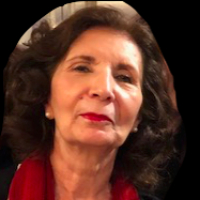
Ohio · 20 yrs exp
Compassionate counselor focused on real-life change
Stress, Anxiety · Addictions · Relationship · Family · +15 more
Read profile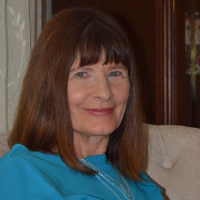
Florida · 20 yrs exp
Calm, practical guidance for life changes
Stress, Anxiety · Grief · Self esteem · Depression · +9 more
Read profile
New Jersey · 35 yrs exp
Calm guidance for practical life struggles
Stress, Anxiety · Grief · Parenting · Self esteem · +13 more
Read profile
Alabama · 14 yrs exp
Compassionate counselor focused on practical change
Stress, Anxiety · Relationship · Self esteem · Depression · +13 more
Read profileIf you or someone close to you is an older adult affected by a flood, fire, storm, accident or other disaster, the emotional and practical impacts can feel layered. Shock, disorientation and intrusive memories may compound sleep disruption and anxiety. Grief for lost items, routines or a sense of safety can arrive alongside practical concerns such as medication management, mobility, caregiving arrangements and housing changes. You may find that familiar ways of coping no longer fit the changed circumstances, or that physical health needs and sensory changes - hearing or vision differences, for example - make communication and daily tasks harder during recovery.
When looking for support, it helps to think about the whole situation rather than a single symptom. You might be aiming to restore a daily routine, manage sleepless nights, address persistent fear that limits leaving the house after an evacuation, or find ways to help a relative with memory challenges cope with disruptions. Therapists can be a resource for emotional processing, practical planning conversations and coordination with other professionals, but they are not a substitute for emergency services, medical care or legal and insurance assistance.
Older adults often experience disasters differently because of intersecting factors such as chronic health conditions, caregiving responsibilities, mobility limitations and social networks that may be smaller or more geographically dispersed. Displacement from a familiar home or neighborhood can remove critical supports and routines that help you or a loved one feel grounded. Recovery may involve not only rebuilding possessions but also adapting to changes in independence and roles, whether that means accepting outside help, navigating assisted living options, or addressing advance care planning that disaster circumstances brought into sharper focus.
On this site you will find profiles of clinicians who list Coping with natural or human-caused disaster among their additional focus areas. That listing indicates an interest in disaster-related concerns but is not evidence of specialist certification or specific outcomes. As you read profiles and compare practitioners, consider how the listed focus areas overlap with the practical recovery tasks you face. Think about sensory needs, mobility, medication routines and the involvement of family or caregivers when assessing whether a particular clinician’s profile aligns with your situation.
When you review profiles, concrete questions can help you judge fit before you reach out. Ask whether a profile mentions experience working with older adults, memory disorders, grief related to loss or displacement, or with caregivers and family members. Look for languages listed if communication in your or a relative’s first language matters. Check whether a clinician’s profile describes approaches they use; for example, some therapists list cognitive behavioral approaches, narrative or trauma-focused approaches, mindfulness-based work, or EMDR among their approaches. These listings are options to discuss rather than guarantees of a particular method.
It is useful to clarify how a clinician frames goals for therapy and what role family or support people might play. You can ask questions such as whether they have experience supporting decision-making under stress, working with sensory or mobility limitations, or coordinating with medical providers. If dementia or cognitive impairment is a concern, ask how they approach assessment and whether they work alongside neurologists or geriatricians. Remember that academic degrees such as PhD, PsyD, MD, MA or MSW indicate educational background but do not by themselves establish permission to practice in a given country. In the United States many profiles will list a professional license; in the United Kingdom and Australia clinicians may note registration, accreditation or membership in recognized professional bodies. Check profiles for these distinctions and raise any licensing or registration questions directly with the clinician.
If you are considering online talk therapy, prepare a brief conversation about practical and safety details before beginning. Online sessions are not a substitute for immediate emergency assistance, evacuation services, insurance or legal advice, and they are not medical treatment. Anyone in immediate danger should contact emergency services. For remote care, discuss how the clinician handles emergencies, and ask what local resources they can suggest for urgent needs in the listed location where you or your loved one are based.
Talk about technology access and comfort levels, and whether the clinician can adapt materials for hearing or vision needs. Agree on a spot to join sessions where the older person feels comfortable and undisturbed - a private space can be important for candid discussion. If a caregiver will join sessions, clarify consent, expected roles and how you will handle scheduling. Consider discussing medication management, physical health coordination and whether written summaries or check-ins with a healthcare provider would be helpful. If language interpretation is needed, ask whether the clinician lists work in the required language or how they handle interpreters.
Compare profiles by reading the focus areas and approaches listed and imagining how those descriptions align with the specific challenges you face after a disaster. Rather than relying on a single word, look for concrete mentions of relevant experience - such as work with older adults, caregiving support, bereavement, trauma-related symptoms, or relocation and housing stress. Check the listed location to understand time zone and regional context, and note any languages that are included if communication in a particular language matters to you.
Pay attention to how clinicians describe their therapeutic style - some profiles emphasize practical problem solving and planning, others highlight reflective processing of emotions, and some note a family-involved approach. These descriptions can help you choose profiles to contact and to form the initial questions you want to ask. Look for degree information such as PhD, PsyD, MD, MA or MSW to understand academic background, and look for mention of professional licensure, registration or professional membership appropriate to the listed location - remembering that degrees are not the same as a license or registration. Finally, think about logistics that affect you personally - session length, how the clinician communicates between meetings if needed, and whether they describe adaptations for mobility, hearing or cognitive needs - and use those details to narrow the profiles you will review further.
Finding the right match may take time. Use the directory to compare profiles objectively, prepare specific questions about approach and experience and, when you do speak with a clinician, describe current challenges like sleep disruption, fear, loss of routine or caregiving stress so you both can decide whether to proceed together. Online talk therapy can be a part of recovery planning, but it is one option among many supports you may need after a disaster. For immediate threats to life or safety call emergency services in your area.
Alabama
56 therapists
Alaska
7 therapists
Arizona
47 therapists
Arkansas
29 therapists
Australia
87 therapists
California
214 therapists
Colorado
85 therapists
Connecticut
20 therapists
Delaware
6 therapists
District of Columbia
11 therapists
Florida
332 therapists
Georgia
87 therapists
Hawaii
7 therapists
Idaho
15 therapists
Illinois
105 therapists
Indiana
50 therapists
Iowa
19 therapists
Kansas
18 therapists
Kentucky
59 therapists
Louisiana
97 therapists
Maine
14 therapists
Maryland
45 therapists
Massachusetts
33 therapists
Michigan
102 therapists
Minnesota
31 therapists
Mississippi
43 therapists
Missouri
104 therapists
Montana
23 therapists
Nebraska
18 therapists
Nevada
15 therapists
New Hampshire
9 therapists
New Jersey
72 therapists
New Mexico
20 therapists
New York
151 therapists
North Carolina
136 therapists
North Dakota
2 therapists
Ohio
68 therapists
Oklahoma
71 therapists
Oregon
28 therapists
Pennsylvania
92 therapists
Rhode Island
6 therapists
South Carolina
48 therapists
South Dakota
13 therapists
Tennessee
53 therapists
Texas
372 therapists
United Kingdom
666 therapists
Utah
30 therapists
Vermont
6 therapists
Virginia
61 therapists
Washington
41 therapists
West Virginia
10 therapists
Wisconsin
57 therapists
Wyoming
9 therapists