- Skills for emotion regulation
- Goal focused sessions
- Clear practical steps
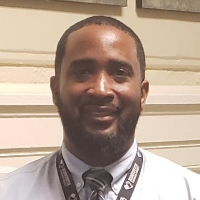
About Sherron
Sherron Bostic is a Licensed Clinical Social Worker (LCSW) who helps people manage stress, anxiety, depression, trauma and abuse, and relationship difficulties. He also supports people facing grief, addictions, intimacy issues, bipolar disorder, ADHD, and the emotional fallout after disasters. He works in Georgia and holds the credential CSW as well as LCSW.
Sherron uses down-to-earth conversation to help people figure out what’s getting in the way. He leans on Client-Centered Therapy to follow each person’s goals. He also draws on Cognitive Behavioral Therapy to spot patterns of thinking that fuel mood problems, and Dialectical Behavior Therapy skills for emotion regulation and distress tolerance.
His approach is practical and collaborative. Sessions focus on small, doable steps and on building skills to cope with daily life. He uses Motivational Interviewing when people want help finding motivation for change and Solution-Focused ideas to set short-term goals.
He brings eight years of clinical experience to sessions and aims to make therapy straightforward and respectful. People can expect a mix of talking, skill practice, and goal-setting rather than long lectures.
For anyone who has been through a natural or human-caused disaster, he includes attention to immediate coping and next steps. Those seeking to begin can use the site tools to match and schedule a time that works with their routine.
How these approaches fit into online care
Client-Centered Therapy focuses on listening and following the client’s lead to set goals and priorities, useful for rebuilding after trauma or loss. Cognitive Behavioral Therapy (CBT) helps people notice and change unhelpful thoughts and behaviors, which is helpful for anxiety, depression, and stress. Dialectical Behavior Therapy (DBT) teaches concrete skills for managing emotions and tolerating distress, useful when strong feelings or relationship conflicts get in the way.Finding the best approach is a team effort. The therapist will talk with each person about goals, try methods that match those goals, and adjust plans together as progress is made. That collaborative process helps tailor strategies for coping, problem solving, and emotional regulation.
Confirm current session options before booking so you know which formats are offered. Online therapy can make it easier to fit sessions into a busy schedule, shorten travel time, and allow brief check-ins between in-depth sessions. It can also let people use skills learned in real-life moments and bring immediate situations into a session for discussion.
Areas of expertise
Primary focus
Also works with
Additional focus areas
Therapeutic approaches
Experience
8+ years
Credentials
Georgia
Languages
English
Frequently asked questions
What kinds of problems does this therapist help with?
He supports people with stress, anxiety, depression, trauma and abuse, relationship and family concerns, grief, addictions, bipolar disorder, ADHD, and related issues such as communication problems and coping after disasters.
What is his style of therapy like?
His style is collaborative and practical. He uses conversation, skill practice, and short-term goal-setting to help people make changes that fit their daily lives.
What experience does he have?
He has eight years of clinical experience working with individuals, couples, and family issues in therapeutic settings.
What credentials does he hold and where is he located?
He holds LCSW and CSW credentials and practices in Georgia.
Which languages are offered for sessions?
Sessions are offered in English.
Are international clients accepted?
International clients are not currently accepted.
How are sessions scheduled and what does it cost?
Cost varies with location and therapist availability; sessions use a subscription that can be canceled at any time.
How do I begin working with him?
Use the Start Therapy button, complete a short matching questionnaire, and schedule according to the therapist's availability.