- Trauma recovery
- Stress and anxiety
- Values-based change
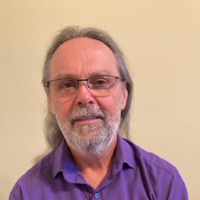
About Robert
Robert Bronson is an LCSW who brings nearly two decades of clinical experience to his practice. He focuses on practical steps people can take when stress, anxiety, depression, trauma, or life changes become hard to manage. He writes and speaks plainly about coping and recovery, and he aims to create a calm, supportive space for people to tell their stories.
He uses a mix of approaches to match the needs of each person. That can mean working on thoughts and behaviors, building present-moment awareness, or helping people clarify their values and make workable changes. Sessions tend to be conversational and grounded in everyday life rather than in specialized jargon.
Robert has long experience helping people recover from trauma and post-traumatic stress and supporting those facing grief, addiction, sleep problems, and compassion fatigue. He also helps people sorting through relationship concerns, self-esteem struggles, and questions about life purpose and midlife change. His work includes attention to issues that affect veterans and first responders.
He aims to learn each person's history before suggesting next steps. Robert says humor and warmth have a place in serious work, and he balances direct guidance with respectful listening. His approach is collaborative: he and the client choose what to try and adjust as progress is made.
Robert practices in Arkansas as an LCSW. Before booking, confirm current session formats and scheduling so plans match your needs.
How his approaches translate to online sessions
Acceptance and Commitment Therapy (ACT) helps people name what matters most and take small steps toward those values. It focuses on changing what you do rather than trying to force certain feelings to disappear. Cognitive Behavioral Therapy (CBT) looks at how thoughts and behaviors interact and teaches practical strategies to shift unhelpful patterns. Mindfulness Therapy brings attention to the present moment and can reduce reactivity to stress and trauma triggers.Deciding which approach to use is part of the work. The therapist will review concerns, goals, and preferences with the client and suggest options. Sessions are collaborative so they can try an approach and change direction if it is not a good fit.
Confirm current session options before booking so you know what formats are offered. Online work can make it easier to fit therapy into a busy week, allow shorter check-ins when schedules require, and reduce travel time. It can also let people use video or phone choices depending on bandwidth and comfort, while keeping the focus on practical strategies that translate to daily life.
Areas of expertise
Primary focus
Also works with
Additional focus areas
Therapeutic approaches
Experience
19+ years
Credentials
Arkansas
Languages
English
Frequently asked questions
What concerns can Robert help with?
He works with stress, anxiety, depression, trauma and abuse, sleep issues, anger, addictions, grief, and related life changes. He also supports people facing compassion fatigue, eating and food-related issues, and mood disorders.
What is his general therapy style?
His style is warm and conversational with direct guidance when useful. He blends practical tools and listening, and sometimes uses humor to ease difficult conversations.
How much clinical experience does he have?
He brings 19 years of clinical experience working with trauma recovery, depression, anxiety, and lifestyle change.
What are his credentials and where does he practice?
He is an LCSW and practices in Arkansas.
Which languages are supported?
Sessions are offered in English.
Can people outside the United States work with him?
He does not accept international clients at this time.
How much do sessions cost?
Cost varies with location and therapist availability; sessions use a subscription that can be canceled at any time.
How do I begin working with him?
Use the Start Therapy button, complete a short matching questionnaire, and schedule according to the therapist's availability.