- Trauma informed care
- Addiction recovery help
- Grief and loss support
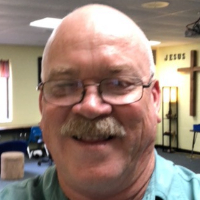
About Philip
Philip Nicholas is an LPC (Licensed Professional Counselor) in Tennessee who focuses on helping people through trauma, addiction, grief, and major life changes. He works with adults who are trying to rebuild after loss, manage mood or anxiety, or improve self-esteem and relationships. Philip’s tone is direct and supportive, aimed at people who need practical ways to cope.
He uses approaches that emphasize the client’s experience and safety in the moment. Philip draws from attachment-based work to look at relationship patterns. He also uses cognitive behavioral techniques to help people change unhelpful thoughts and behaviors. These methods are mixed with mindfulness skills to calm the body and EMDR when trauma processing is needed.
Philip has four years of clinical experience supporting people including young adults, veterans, and first responders through grief, addiction, and attachment issues. He helps clients learn coping skills, reduce anxiety, and address anger or relationship strains. He also supports those facing career stress, caregiving and end-of-life concerns.
Sessions aim to be straightforward and goal-focused. Philip listens, helps identify patterns, and practices skills together during sessions. He encourages steady progress and practical steps clients can use between meetings.
People who want to begin work with him can expect clear explanations of options and collaborative planning. He offers care in English and works within the scope of his Tennessee LPC license.
Approaches for online healing and practical coping
Attachment-based work looks at how past relationships shape current reactions. It helps people notice patterns in trust, closeness, and emotional safety so they can try new ways of relating. Cognitive Behavioral Therapy, or CBT, focuses on changing unhelpful thoughts and behaviors with clear exercises and practice. It is often used for anxiety, depression, and stress. EMDR is an approach some therapists use to help people process traumatic memories through guided techniques aimed at reducing the intensity of distressing recollections.Choosing the right approach is part of the work. Philip will collaborate with each person to decide what fits their needs and goals. That might mean starting with mindfulness and CBT skills, then adding attachment-focused conversations or trauma processing as needed. The plan evolves with client feedback and pacing.
If you are considering online work, confirm current session options before booking since formats are not listed here. Online therapy can make it easier to fit sessions into busy days, shorten commute time, and allow for check-ins from quieter surroundings. It also lets people continue care when life changes make in-person visits harder. Licensed professionals can adapt exercises, mindfulness practices, and CBT worksheets to an online setting to keep therapy practical and focused.
Areas of expertise
Primary focus
Also works with
Additional focus areas
Therapeutic approaches
Experience
4+ years
Credentials
Tennessee
Languages
English
Frequently asked questions
What concerns does Philip commonly address?
He helps people with trauma, addiction, anxiety, depression, grief, and stress. Additional focus areas include parenting, attachment issues, first responder concerns, and coping with natural or human-caused disaster.
What is Philip’s therapy style like?
Sessions are practical and collaborative, mixing client-centered listening with evidence-based techniques. He uses mindfulness, cognitive-behavioral strategies, and attachment-focused work to address immediate problems and long-term patterns.
What experience does he bring to sessions?
Philip has four years of clinical experience working with adults, including young adults, veterans, and first responders. He has supported people through grief, addiction, and relationship or attachment challenges.
What credential does he hold and where does he practice?
He is an LPC, which stands for Licensed Professional Counselor, and practices in Tennessee.
Which languages can clients use in sessions?
Sessions are offered in English.
Can people outside the United States work with him?
International clients are not currently accepted. He works with people located within the region covered by his Tennessee license.
How are fees and payment handled?
Cost varies with location and therapist availability; sessions use a subscription that can be canceled at any time. Specific pricing is provided during the matching and scheduling process.
How do I begin the process of working together?
Start by selecting the Start Therapy button and completing a short matching questionnaire. After that you can schedule sessions according to the therapist’s availability.