- 20 years experience
- Person-centered approach
- Trauma and grief
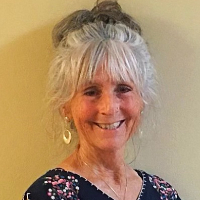
About Elizabeth
Elizabeth Chavez is an LPCC with over 20 years working in mental health. She has practiced in intensive psychiatric hospitals, correctional settings, substance treatment centers, and community counseling centers. Elizabeth frames sessions as conversations that center the individual and their real-life needs. She aims to help people feel better now while building skills to stay steady over time.
Elizabeth believes most people are already doing their best in hard moments. She listens for strengths, patterns, and practical obstacles. Then she helps set small, doable goals and teaches tools clients can use between sessions. Her style is direct, respectful, and grounded in everyday language.
Her background includes long experience with trauma, grief, depression, anxiety, and substance use concerns. She also supports people coping with life transitions, existential questions, and compassion fatigue. Coping with natural or human-caused disaster is listed among her additional focus areas.
Elizabeth uses approaches that fit each person rather than one fixed method. She draws on cognitive behavioral techniques, dialectical skills, mindfulness, and client-centered conversation to address symptoms and build coping skills. Motivational interviewing helps when change feels stuck.
Clients who choose Elizabeth can expect practical skill-building paired with open listening. She works to translate insight into daily routines, sleep and self-care habits, and clearer decision making. To begin, people follow the site process to match with her and schedule a first visit.
How Elizabeth’s Approaches Work Online
Client-Centered Therapy means conversations focus on the person in front of the therapist. The therapist listens closely, reflects what she hears, and helps the client name goals. This approach helps when someone needs a space to make sense of feelings and choices.Cognitive Behavioral Therapy (CBT) looks at how thoughts, feelings, and actions link together. It uses practical exercises and homework to shift unhelpful thinking and to build new coping habits. CBT is often used for anxiety, depression, sleep problems, and worry about change.
Dialectical Behavior Therapy (DBT) offers skills for managing intense emotions and improving relationships. It teaches grounding, distress-tolerance, and emotional regulation tools that can be practiced between sessions.
Finding the right approach is part of the work. Elizabeth will collaborate with each person to choose methods that match their needs, goals, and daily life. She combines conversation with specific techniques and adjusts the plan as progress or barriers appear.
Online therapy can make it easier to fit sessions into a busy life. Many people find remote sessions reduce travel time, allow shorter check-ins when schedules are tight, or remove the need to be on site. The original biography does not list which session formats are offered, so confirm the available online options before booking. Licensed professionals can still use CBT, DBT, and client-centered methods effectively in remote sessions.
Areas of expertise
Also works with
Additional focus areas
Therapeutic approaches
Experience
20+ years
Credentials
New Mexico
Languages
English
Frequently asked questions
What concerns does Elizabeth help address?
She works with stress, anxiety, depression, addiction, trauma and grief, and related issues such as self-esteem, sleep, and eating concerns.
How would you describe her therapeutic style?
Her style is person-centered and conversational, focusing on listening, practical tools, and small steps that fit daily life.
What kinds of work history does she bring to sessions?
She has over 20 years of experience in intensive psychiatric hospitals, correctional settings, substance treatment centers, and community counseling centers.
What credential does she hold and where is she located?
She holds an LPCC credential, listed as NM LPCC, and practices in New Mexico.
Can sessions be conducted in other languages or internationally?
Sessions are offered in English and she is not currently accepting international clients.
What session formats are used for meetings?
The original biography does not specify session formats; please confirm the current session options before booking.
How are fees handled for sessions?
Cost varies with location and therapist availability; sessions use a subscription that can be canceled at any time.
What steps are involved in getting started?
Select the Start Therapy button, complete a short matching questionnaire, and schedule according to the therapist's availability.