- Client-centered approach
- Attachment-informed work
- Practical coping skills
About Vicki
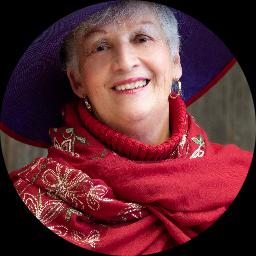
Vicki Marcum is a licensed clinical social worker (LCSW) with more than 40 years of clinical experience. She works in Illinois and draws on a long career across community mental health, inpatient settings, schools, and private practice to help people facing stress, trauma, grief, depression, and relationship or family concerns.
Her first sessions are client-centered to build trust. Once a working relationship is established she adapts methods to match a person’s needs and personality. Vicki aims to help people talk through painful experiences, consider new options, and make changes that feel doable.
Her background includes work in emergency and crisis intervention, outpatient day treatment, case management, and services in hospitals, schools, and community agencies. She has experience with developmental and behavioral concerns, parenting challenges, and long-term mental health care across the life span.
Vicki uses approaches that include attachment-based work, cognitive behavioral ideas, emotionally-focused methods, existential themes, and client-centered skills to guide sessions. Those approaches are used to address issues such as anxiety, trauma and abuse, coping with life changes, compassion fatigue, ADHD, and coping with natural or human-caused disaster.
Her style balances compassion with directness. She helps people examine beliefs and try new ways of handling problems while keeping clients in charge of their treatment. The goal is clearer choices and practical next steps that fit everyday life.
How her approaches translate to online work
Vicki uses client-centered techniques and attachment-based ideas to shape therapy. Client-centered work focuses on listening, empathy, and helping the person lead the conversation. This is helpful for building trust and clarifying what matters most. Attachment-based work looks at relational patterns and how early connections influence current relationships, which can help when addressing intimacy issues, family of origin concerns, or relationship patterns.Finding the right approach is part of the process. She will collaborate with each person to choose methods that fit their goals and personality. That collaborative decision happens over the first few sessions and can change as needs shift.
Confirm current session options before booking, as session formats are determined by the therapist’s practice. Online sessions can make it easier to fit therapy into a busy life - for instance, shorter check-ins during a break, avoiding travel time, or choosing a meeting that does not require being on camera. Therapists and licensed professionals often use these practical benefits to help people maintain continuity of care while managing everyday responsibilities.
Areas of expertise
Primary focus
Also works with
Additional focus areas
Therapeutic approaches
Experience
40+ years
Credentials
Illinois
Languages
English
Frequently asked questions
What concerns does she help with?
She helps people with stress, anxiety, trauma and abuse, grief, depression, relationship and family difficulties, parenting concerns, and issues like ADHD, eating, anger, and self-esteem.
What is her therapeutic style?
Her initial style is client-centered to build trust, then she adapts techniques to match the treatment issue and the person’s preferences.
How long has she been practicing?
She brings 40 years of clinical experience across inpatient, outpatient, community, school, and private practice settings.
Where does she practice and what are her credentials?
She practices in Illinois and holds the LCSW credential, listed as IL LCSW.
Which languages are supported?
Sessions are offered in English.
Can people outside the country work with her?
She is not currently accepting international clients.
How are fees and payment handled?
Cost varies with location and therapist availability; sessions use a subscription that can be canceled at any time.
What do I do to begin therapy?
Select the Start Therapy button, complete the short matching questionnaire, and then schedule according to therapist availability.