- Warm collaborative style
- Practical emotion skills
- Attachment-focused work
About Sara
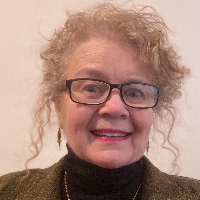
Sara Tinker, LCSW, brings 26 years of clinical experience to people navigating stress, anxiety, grief, relationship strain, and trauma. She speaks plainly and meets people where they are, helping them make sense of hard moments and find practical next steps. Her style is warm and collaborative, focused on building a trusting relationship that supports real change.
She draws from attachment-based and client-centered approaches to create a steady, person-focused space. Dialectical behavior therapy techniques and emotionally-focused ideas are added when they fit a person's goals. Sara aims to help with emotion regulation, communication, and repairing connection rather than relying on labels.
Sara’s background includes a Master of Social Work and long practice in Tennessee settings ranging from community mental health to private practice. Her earlier graduate work in exercise physiology led to an ongoing interest in how body and mind interact during stress and recovery. This informs how she supports people with chronic pain, illness, and trauma-related symptoms.
Over the years she has worked with people confronting addiction, mood disorders, parenting challenges, and life changes like divorce or caregiving stress. She also supports those facing identity questions, intimacy concerns, and compassion fatigue. Coping with natural or human-caused disaster is one of the issues she lists among her focus areas.
Sessions are collaborative and goal-oriented. She helps people build skills, reframe unhelpful patterns, and practice new ways of coping. The focus is on practical steps clients can use between sessions to feel steadier and more connected.
Approaches that guide online work and recovery
Attachment-based work focuses on how early and current relationships shape feelings and reactions. It helps people who struggle with trust, abandonment fears, or repeated relationship patterns by exploring connection and building safer ways to relate. Client-centered therapy centers the person’s experience and priorities, offering a respectful space to be heard and to find one’s own answers rather than being directed by the therapist. Dialectical behavior therapy (DBT) teaches concrete skills for managing strong emotions, improving distress tolerance, and communicating more effectively in relationships.Finding the right approach is part of the first steps in therapy. The therapist will collaborate with each person to decide which methods fit best based on goals, needs, and preferences. That plan can shift over time as progress is made or new issues arise.
If you plan to use online sessions, confirm current session options before booking since formats are set by the therapist’s practice. Online work can make it easier to fit therapy into a busy life, allow shorter check-ins when needed, and reduce travel time. Some clients find remote sessions help them stay consistent during work breaks or when managing caregiving duties. The focus remains on practical skills, emotion regulation, and rebuilding connection, whether sessions happen remotely or in person.
Areas of expertise
Primary focus
Also works with
Additional focus areas
Therapeutic approaches
Experience
26+ years
Credentials
Tennessee
Languages
English
Frequently asked questions
What kinds of problems does she address?
Sara works with a wide range of concerns including stress, anxiety, depression, trauma and abuse, relationship and intimacy issues, addictions, grief, parenting strain, and coping with life changes.
What is her general therapeutic approach?
Her work emphasizes building a trusting relationship and using attachment-based and client-centered methods. She adds DBT and emotionally-focused ideas when they match a person's goals.
How much experience does she have?
She has 26 years of clinical experience across community mental health, adolescent services, and private practice settings in Tennessee.
What credentials and location apply?
She holds the LCSW credential and practices in Tennessee.
Which languages are sessions offered in?
Sessions are offered in English.
Can international clients work with her?
International clients are not currently accepted.
How are costs and billing handled?
Cost varies with location and therapist availability; sessions use a subscription that can be canceled at any time.
How do I begin working with her?
Use the Start Therapy button, complete a short matching questionnaire, and schedule according to therapist availability.