- Trauma-informed care
- Skills-based therapy
- Veteran experience
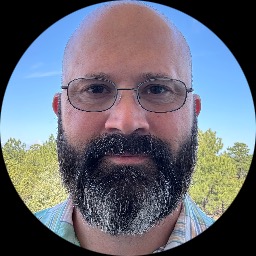
About Paul
Paul Brunner, LCSW, CSW, focuses on practical help for people feeling overwhelmed by stress, anxiety, trauma, or burnout. He writes simply and listens carefully. He aims to help clients find steady ground and move forward at a manageable pace.
He brings 15 years of mental health experience, including long-standing work with service members and veterans. His background includes time in the Army as a mental health technician and later as an officer and active duty social worker. He completed a Master of Social Work and holds LCSW licenses in Colorado and North Carolina.
In session he uses approaches that break problems into steps and teach skills to manage strong feelings. He draws on Cognitive Behavioral Therapy to change unhelpful thinking and Dialectical Behavior Therapy to build emotion regulation and distress tolerance. He also offers trauma-focused methods when past events are causing ongoing symptoms.
Paul has worked with people facing substance use concerns, domestic violence, and sexual abuse, and he has provided trauma-based care for veterans. He also addresses issues such as relationship communication, sleep problems, self-esteem, and coping after disasters or other major losses.
He emphasizes meeting people where they are and supporting practical change. The goal is clearer thinking, calmer reactions, and concrete steps that fit everyday life. Sessions are conducted in English and Paul practices in Colorado.
How specific approaches fit into online work
Paul commonly uses Cognitive Behavioral Therapy, which looks at how thoughts affect feelings and behavior and teaches practical strategies to change them. CBT can help with anxiety, depression, and stress by breaking problems into manageable steps and practicing new responses.He also draws on Dialectical Behavior Therapy to teach emotion regulation, distress tolerance, and interpersonal skills. DBT-style skills are useful when strong emotions or impulsive reactions get in the way of daily life. Paul uses trauma-focused techniques such as Eye Movement Desensitization and Reprocessing to address distress that stems from past events and reduce the intensity of upsetting memories.
Finding the right approach is a collaborative process. The therapist will discuss your goals and try methods that fit your needs and comfort. Plans often combine skill teaching, short practical exercises, and focused trauma work when appropriate.
Confirm current session options before booking, as formats are not specified in the biography. Online therapy can make it easier to fit sessions into a busy week, allow shorter check-ins when time is limited, and remove travel time so people can use breaks from work or caregiving. Licensed professionals can adapt exercises and homework to everyday routines, helping skills carry over into daily life.
Areas of expertise
Primary focus
Also works with
Additional focus areas
Therapeutic approaches
Experience
15+ years
Credentials
North Carolina, Colorado
Languages
English
Frequently asked questions
What kinds of concerns does Paul address?
He helps people with stress, anxiety, trauma and abuse, anger, depression, compassion fatigue, and related issues like sleep problems and self-esteem.
How would you describe his therapeutic style?
He uses skills-based approaches that focus on practical steps. Sessions often teach tools for managing emotions and changing unhelpful thoughts.
What is his professional background?
Paul has 15 years in mental health, including roles as an Army mental health technician, officer, and active duty social worker, and experience treating trauma and substance use.
Where is he licensed and located?
He holds LCSW and CSW credentials and is licensed in Colorado and North Carolina, with practice based in Colorado.
Which languages are supported for sessions?
Sessions are offered in English.
Can people outside the United States work with him?
International clients are not currently accepted.
How are fees and payments handled?
Cost varies with location and therapist availability; sessions use a subscription that can be canceled at any time.
What is the process to begin sessions?
Select the Start Therapy button, complete a short matching questionnaire, and schedule according to the therapist's availability.