- Client-centered care
- Psychodynamic insight
- CBT and DBT tools
About Patricia
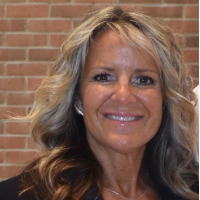
Patricia Foyder-DeVoe is a Licensed Clinical Social Worker (LCSW) with 25 years of experience as a psychotherapist. She practices in New York and speaks English and Spanish. Patricia draws on long experience helping people facing anxiety, depression, relationship strain, and major life changes.
Her work emphasizes an honest, respectful relationship. She creates a calm space where people can talk through painful events and figure out next steps. Patricia pays attention to the person behind the problem and helps identify clear goals for therapy.
Patricia uses a mix of approaches to fit each person’s needs. She leans on psychodynamic ideas about how past experiences shape present patterns. She also draws from client-centered methods that center the client's perspective and from cognitive and behavioral techniques that address current thoughts and habits.
Across her practice she has supported people dealing with trauma and abuse, grief and loss, coping with life changes, and stress from caregiving or illness. She also addresses concerns like body image, eating-related issues, addiction, and relationship or intimacy-related problems. Coping with natural or human-caused disaster is listed among her focus areas.
Patricia works with adults on parenting, career challenges, and issues such as ADHD, bipolar concerns, and compassion fatigue. She aims to give practical tools and steady support so people can manage symptoms and move toward their goals.
To begin, prospective clients complete a short matching questionnaire and schedule sessions based on the therapist's availability.
How therapeutic approaches translate to online care
Client-Centered Therapy centers the person's own experience and choices, giving space for people to describe what matters most and set their own goals. This approach helps with relationship concerns, self-esteem, and navigating big life changes.Cognitive Behavioral Therapy (CBT) focuses on identifying unhelpful thought patterns and trying small behavioral experiments to change them. It is often used for anxiety, depression, and problems like disordered eating or problematic habits.
Dialectical Behavior Therapy (DBT) offers practical skills for regulating intense emotions, improving distress tolerance, and managing relationship difficulties. It is useful when people need step-by-step tools to cope in the moment.
Finding the right approach is a collaborative process. The therapist will work with each person to choose methods that match their goals, needs, and preferences. That plan can change over time as progress and challenges emerge.
Online therapy can make it easier to fit sessions into a busy life, cut travel time, and allow for quicker check-ins between appointments. Because session formats are not specified in the biography, confirm available formats before booking. Licensed professionals can adapt these approaches to work well in remote sessions, balancing conversation, skill practice, and goal-setting so therapy fits everyday routines.
Areas of expertise
Primary focus
Also works with
Additional focus areas
Therapeutic approaches
Experience
25+ years
Credentials
New York
Languages
English, Spanish
Frequently asked questions
What issues does Patricia commonly address?
She helps people with stress, anxiety, depression, relationship and intimacy issues, grief, trauma and abuse, eating and body image concerns, addictions, and coping with life changes including coping with natural or human-caused disaster.
What is her therapeutic style like?
Her style emphasizes authenticity and a trusting relationship. Sessions are intended to be judgment-free and focused on practical steps and emotional understanding.
How much clinical experience does she have?
Patricia has 25 years of experience as a psychotherapist, including work in community mental health and private practice settings.
What are her credentials and where does she practice?
She is a Licensed Clinical Social Worker (LCSW) licensed in New York and practices in New York.
Which languages can sessions be held in?
Sessions are offered in English and Spanish.
Can people outside the United States work with her?
She does not accept international clients at this time.
How does payment and cost work?
Cost varies with location and therapist availability; sessions use a subscription that can be canceled at any time.
What are the steps to begin working together?
Start by selecting the Start Therapy button, complete a short matching questionnaire, and then schedule sessions according to the therapist's availability.