- Client-centered care
- Trauma-informed focus
- Practical coping skills
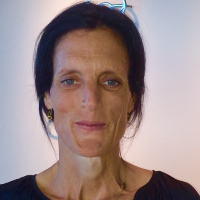
About Mary
Dr. Mary Schacht works with adults who are coping with stress, anxiety, trauma, grief, and major life changes. She aims to make therapy practical and focused, helping people manage symptoms and regain a sense of control. Dr. Schacht is a Licensed Independent Clinical Social Worker (LICSW) based in Washington. She has 12 years of clinical experience and uses the client's goals to shape each session.
Her background includes long-term work in community mental health settings. That work exposed her to a wide range of concerns, from depression and bipolar disorder to parenting strain, compassion fatigue, and first responder issues. She has also worked across international contexts and helped develop programs for youth and conflict analysis in western Kenya.
In sessions she draws on client-centered and trauma-focused approaches, plus mindfulness and solution-focused methods when useful. She pays close attention to how social, cultural, and political factors affect a person's well-being. Therapy starts with what matters most to the client and builds from there.
Sessions often include education about stress and trauma reactions, practical strategies to manage symptoms, and steps to strengthen existing coping skills. Dr. Schacht works to highlight a person's strengths and expand resources that feel relevant and affirming. The overall aim is steady progress toward clear, agreed-upon goals.
She asks people to choose the Start Therapy button to begin. Prospective clients complete a short matching questionnaire and then schedule sessions based on availability.
How these approaches translate to online work
Client-centered therapy focuses on the client's goals and experiences. The therapist follows the person's lead, listens closely, and helps clarify goals and next steps. This approach can help people who feel overwhelmed or uncertain about where to begin.Mindfulness therapy teaches simple practices to notice thoughts, sensations, and emotions without getting swept up in them. These practices can reduce tension and help with anxiety, stress, and compassion fatigue by building steady attention and self-awareness.
Trauma-focused work addresses the effects of past or recent trauma and teaches ways to manage strong reactions. It can include education on trauma responses, grounding techniques, and planning to handle triggers more effectively.
Finding the best approach is a shared process. The therapist will talk with each person about what feels most important and try methods over time to see what helps. Clients set goals and the plan shifts based on progress, needs, and preferences.
If you are considering online therapy, confirm the specific session options before booking because the biography does not list formats. Online work can make it easier to fit sessions into a busy week, reduce travel time, and allow shorter check-ins when needed. Some approaches lend themselves to brief behavioral exercises or guided mindfulness practice that can be done during or between sessions, helping therapy connect to everyday life.
Areas of expertise
Also works with
Additional focus areas
Therapeutic approaches
Experience
12+ years
Credentials
Washington
Languages
English
Frequently asked questions
What concerns does she commonly address?
She helps adults facing stress, anxiety, depression, trauma and abuse, grief, bipolar challenges, ADHD, parenting strain, relationship and family issues, anger, career stress, and coping with life changes. She also focuses on first responder issues, immigration concerns, post-traumatic stress, and coping with natural or human-caused disaster.
What is her therapeutic style like?
Her work is client-centered and strengths-based, with a practical bent. She integrates mindfulness, solution-focused steps, and trauma-focused ideas to address symptoms and daily struggles.
How much clinical experience does she have?
She has 12 years of experience working in community mental health and international settings, including program work with youth and conflict analysis in western Kenya.
What are her credentials and where is she located?
She holds the LICSW credential and practices in Washington.
Which languages are offered and can international clients be seen?
Sessions are offered in English. International clients are not currently accepted.
What session formats does she offer?
The original biography does not list specific session formats. Confirm current session options before booking to learn whether in-person or online visits are available.
How is cost handled?
Cost varies with location and therapist availability, and sessions use a subscription that can be canceled at any time.
How do I get started with therapy?
Click the Start Therapy button, complete a short matching questionnaire, and schedule sessions based on the therapist's availability.