- Goal focused
- Skills based
- Trauma informed
About Brittany
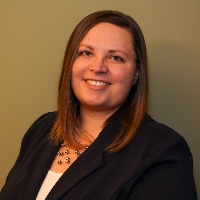
Brittany Vaughn is a Licensed Clinical Social Worker who helps people facing stress, anxiety, depression, trauma, and parenting challenges. She focuses on practical steps you can use right away to reduce symptoms and make daily life feel more manageable. Brittany keeps language simple and works to set clear goals that fit each person's life.
Brittany grew up in Southern Illinois and completed a Bachelor of Social Work at Southern Illinois University in December 2012. She then earned a Master of Social Work in May 2014. Over a dozen years in practice have included work in residential treatment, school-based services, and outpatient settings.
Early in her career she provided therapy to adolescents with severe trauma in a residential setting. She later worked in Williamson County schools, offering therapy to students with a range of concerns, including behavioral challenges. For the past several years she has worked in outpatient care with children, adolescents, and adults.
Her approach blends client-centered work with cognitive behavioral strategies and skills drawn from dialectical behavior therapy and mindfulness. She also uses motivational interviewing and narrative techniques when they fit the client's goals. In sessions she helps people name their goals, try small changes, and track what helps.
Brittany lists experience supporting people coping with life changes, first responder issues, veteran and armed forces concerns, ADHD, and coping with natural or human-caused disaster. She brings 12 years of experience as an LCSW and aims to make therapy a practical part of daily life.
How therapeutic approaches guide online care
Client-centered work focuses on the person’s goals and priorities. The therapist follows the client’s lead, listens closely, and helps shape goals that feel doable. This approach is useful when someone needs a respectful space to sort out what matters most.Cognitive behavioral therapy, or CBT, helps people notice unhelpful thoughts and try different behaviors. It is often used for anxiety, depression, and coping with stressful events. Sessions include practice of small skills and tracking what changes.
Dialectical behavior therapy, or DBT, provides concrete skills for emotion regulation, distress tolerance, and better communication. These skills can help when emotions feel overwhelming or when patterns of impulse cause problems.
Choosing an approach is a collaborative process. The therapist will talk with each person about their goals, try methods that fit, and adjust based on what helps. That means trying specific strategies early and changing course if something isn’t working.
Confirm current online session options before booking to learn which formats are available for scheduling. Online work can make it easier to fit therapy into a busy week, reduce travel time, and allow for shorter check-ins when that suits the person. It also supports continuing care after a crisis or during major life changes without promising any particular outcome.
Areas of expertise
Primary focus
Also works with
Additional focus areas
Therapeutic approaches
Experience
12+ years
Credentials
Illinois
Languages
English
Frequently asked questions
What concerns does Brittany help with?
She works with stress, anxiety, depression, trauma and abuse, parenting struggles, self-esteem, and related issues. Additional focus areas include ADHD, compassion fatigue, first responder and veteran issues, and coping with natural or human-caused disaster.
What is her therapeutic style like?
Her style is practical and client-centered, combining skill teaching with listening. She uses cognitive behavioral and dialectical behavior therapy ideas plus mindfulness and motivational interviewing as tools.
How much clinical experience does she have?
Brittany has 12 years of clinical experience working in residential treatment, school settings, and outpatient care. That range includes work with adolescents, children, and adults.
What credentials and region are listed?
She is an LCSW licensed in Illinois and practices with that credential in the state.
Which languages are supported and are international clients accepted?
Sessions are offered in English and she does not accept international clients at this time.
What session formats are available?
Confirm current session options before booking so you know which formats are offered for scheduling and care.
How does cost work for sessions?
Cost varies by location and therapist availability; sessions use a subscription that can be canceled at any time.
How do I begin working with her?
Choose the Start Therapy button, complete a short matching questionnaire, and schedule according to therapist availability.